48 Hours on Cape Cod for Less Than You Think: A Minimalist Weekend Done Right
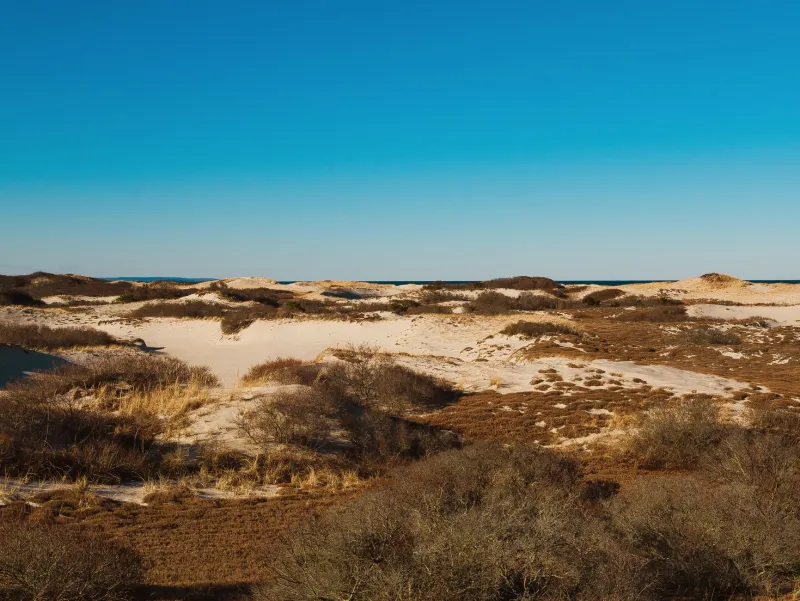
Let's get one thing straight: Cape Cod has a reputation for being expensive, and honestly, it's not entirely undeserved. Peak-season lobster rolls, boutique inn rates, and waterfront restaurant tabs can add up fast. But here's what the tourist brochures don't tell you—the stuff that actually makes the Cape special doesn't cost much at all. The light hitting the dunes at golden hour? Free. A long walk on a beach that stretches to the horizon? Also free. A bowl of chowder at a no-frills lunch counter that locals have been going to for decades? Maybe six bucks.
This itinerary is built around that reality. It's designed for the traveler who wants a genuine Cape Cod weekend—not a watered-down version of one—without the kind of spending that requires a financial recovery period on Monday morning. Two days, two nights, and a total budget that might genuinely surprise you.
Before You Go: The Setup That Makes It Work
The single biggest lever you have on cost is where you sleep. Skip the boutique inns and the oceanfront hotels entirely. Instead, look at the Cape's network of state park campgrounds—Nickerson State Park in Brewster is the gold standard, with wooded tent sites that book up fast but cost a fraction of any room in the area. If camping isn't your thing, search for weekly cottage rentals in the off-shoulder weeks (late June or early September), where owners often negotiate on short stays. A bare-bones cottage split between two people can land well under $100 a night.
Bring a cooler stocked with breakfast food, snacks, and drinks from a grocery store either at home or just over the Sagamore Bridge. This one move alone can save you $40 to $60 over a weekend without any sacrifice in quality.
Saturday Morning: Start at the Water, Before Anyone Else Does
Get up early. This is not optional. The Cape in the morning—before the parking lots fill and the ice cream shops open—is a completely different place, and it's one of the best things about visiting without a packed agenda.
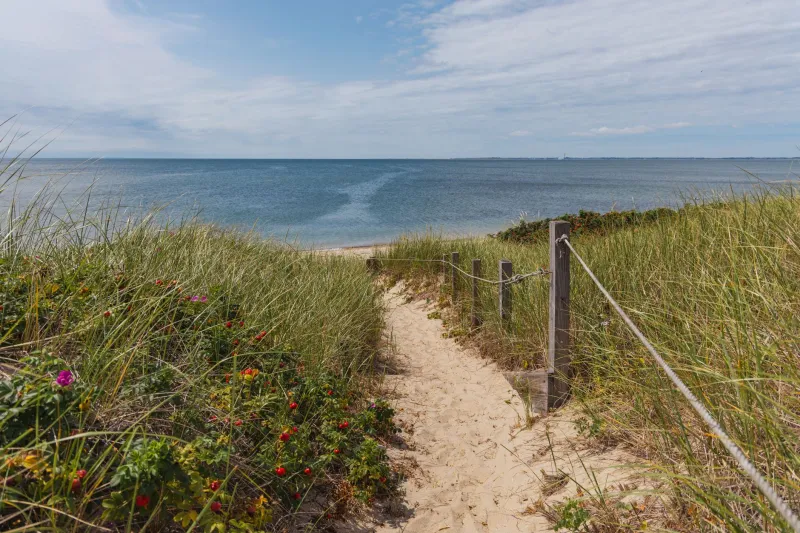
Head to one of the National Seashore beaches along Route 6 in Wellfleet or Truro. The Cape Cod National Seashore is federally managed, which means the beaches are free to access on foot. Parking fees apply if you're driving in, but if you park at a nearby pullout and walk a short trail to the shore, you're in without spending a dime. Spend a couple of hours here. Walk the tide line. Watch the light shift. This is the version of Cape Cod that people pay a lot of money to be near—and you're already in it.
Saturday Midday: Provincetown Without the Price Tag
P-town is worth the drive to the tip of the Cape, even on a budget. Commercial Street is free to walk, and the people-watching alone is worth the trip. Grab lunch from one of the takeout windows rather than sitting down for a full restaurant meal—there are several spots where you can get a fish sandwich or a decent slice for under $12.
After lunch, walk the breakwater out to Long Point. It's a long haul over uneven rocks (wear real shoes), but the views of the harbor and the outer Cape from the lighthouse at the end are extraordinary. No ticket required. On the way back through town, duck into the free galleries along Commercial Street—Provincetown has a serious arts scene, and most of the smaller galleries welcome browsers with zero pressure.
Saturday Afternoon: The Outer Cape's Hidden Freshwater Option
If the ocean beaches are crowded by midafternoon, pivot to one of the kettle ponds tucked into the interior of the Outer Cape. Gull Pond in Wellfleet and Cliff Pond inside Nickerson State Park are both genuinely beautiful, calm, and far less trafficked than the ocean-facing beaches. Pack a swim, bring your cooler, and give yourself a few hours to just exist without a schedule. This is minimalist travel in its truest form.
Saturday Evening: Dinner That Won't Hurt
Resist the waterfront restaurant impulse on Saturday night. Instead, find a local seafood shack or a counter-service spot that's been around long enough to have regulars. The Cape has dozens of these—fried clam plates, lobster rolls served in paper boats, chowder that doesn't need a view to justify its price. Look for spots with handwritten menu boards and picnic tables out front. Your total for dinner for two should land somewhere between $25 and $40 if you order smart.
After dinner, drive to a dark spot away from the main roads and look up. The Cape's night skies, especially on the Outer Cape, are genuinely dark by mainland standards. It's not the Rockies, but on a clear night you'll see more than you expect.
Sunday Morning: Slow It Down in a Small Town
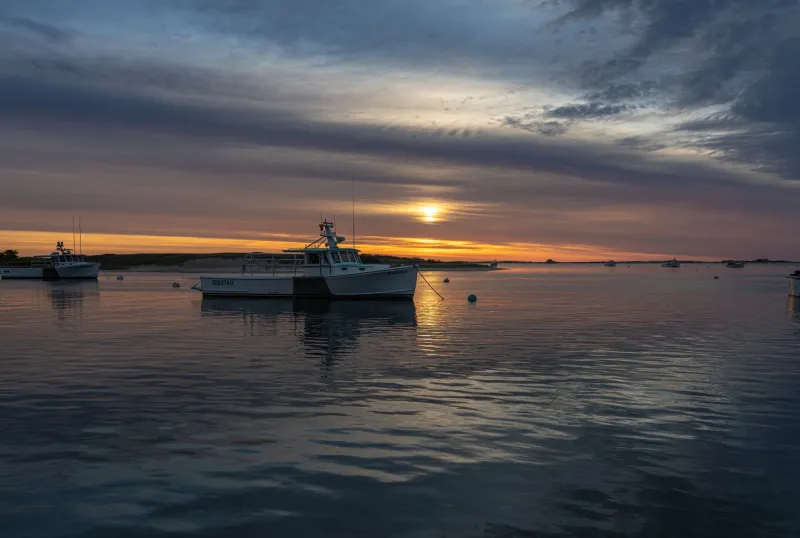
Pick one of the quieter mid-Cape towns—Brewster, Dennis, or Chatham—for Sunday morning. Walk the main street. Stop at a local bakery for coffee and something fresh-baked. Chatham's downtown is especially walkable and has a morning energy that feels nothing like the frantic pace of peak summer. The Chatham Fish Pier is free to visit and, on the right morning, you can watch working boats come in with the day's catch—a scene that's been playing out the same way for generations.
Sunday Midday: One Last Beach, Then Head Home
Save one more beach walk for the end of the trip. Skaket Beach in Orleans faces Cape Cod Bay, which means calmer water and dramatic tidal flats that stretch impossibly far at low tide. Check the tide chart before you go—low tide here is one of the Cape's great free spectacles. Walk out on the flats, look back at the shore, and take a minute to recognize that you just had a full, rich Cape Cod weekend for less than most people spend on a single dinner out.
The Real Takeaway
The Cape's best qualities—its light, its landscape, its unhurried pace, its genuine sense of place—aren't behind a paywall. They're available to anyone willing to plan a little, pack a cooler, and resist the urge to optimize every hour into a paid experience. A minimalist weekend here isn't a lesser version of the Cape. In a lot of ways, it's the truest one.