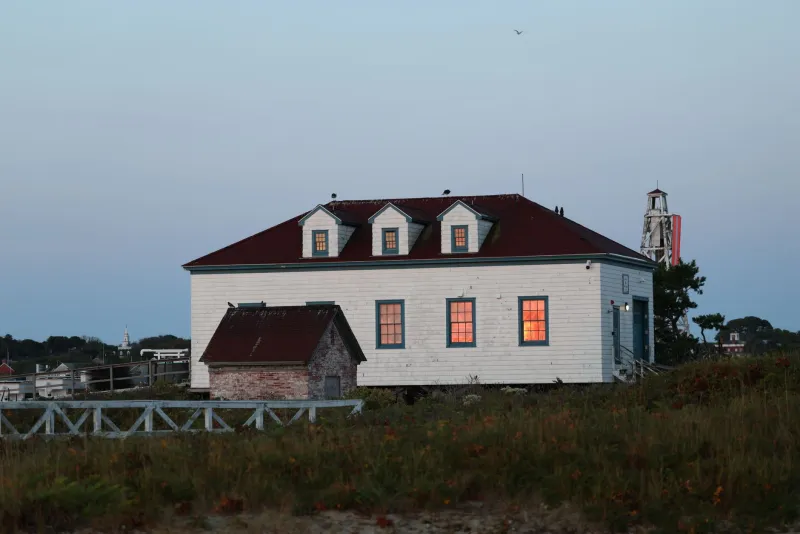
February on the Cape: Cold Weather, Warm Locals, and the Best Version of a Classic Destination

Most people picture Cape Cod in July—packed parking lots at Nauset Beach, lobster rolls eaten standing up, and a wait time of forty-five minutes just to get a table at your favorite fish shack. That version of the Cape is wonderful. But it's not the only version, and it might not even be the best one.
February is when Cape Cod exhales. The summer hustle fades away, the Route 6 traffic disappears, and what's left is something that feels almost startlingly real. This is the Cape that locals actually live in—and if you're willing to pack a decent coat and leave your beach umbrella at home, it's yours for the taking.
Why February Specifically?
Off-season on Cape Cod technically runs from Columbus Day through Memorial Day, but February hits a particular sweet spot. January can feel a little grim after the holidays, and March starts to get restless with early spring energy. February, though? It's settled. The pace is slow by design, not by accident.
The shoulder-season crowds that still show up in November and December are long gone. What you're left with is a destination that's open enough to be functional but quiet enough to feel personal. Restaurants that seat 200 people in August might have thirty covers on a February Friday night—and the chef is actually out front, talking to tables.
That shift in dynamic changes everything about the experience.
The Food Scene Hits Different in Winter
Here's something most summer visitors don't realize: Cape Cod's culinary scene doesn't go into hibernation when the tourists leave. In fact, some chefs will tell you that winter is when they actually get to cook.
Without the pressure of turning tables every ninety minutes, kitchens slow down and get creative. You'll find prix-fixe menus, locally sourced winter specials, and a level of hospitality that's genuinely hard to replicate when the place is slammed. Spots in Wellfleet, Chatham, and Provincetown that feel almost unapproachable in peak season become relaxed, intimate dining experiences in February.
And yes, the seafood is still exceptional. The oyster harvest runs year-round on the Cape, and winter is actually considered prime oyster season—colder water means firmer, more flavorful bivalves. Pair that with a bowl of chowder by a fireplace and you've got a meal worth making the trip for on its own.
Getting Outside (Yes, Really)
Winter hiking on Cape Cod doesn't get nearly enough credit. The Cape Cod National Seashore, which stretches across nearly 44,000 acres of protected land, is dramatically beautiful in the off-season. Trails that get congested with families and dogs in summer become peaceful, almost meditative walks in February.
The frozen freshwater ponds scattered across the Mid-Cape and Outer Cape are worth seeking out specifically. On clear, cold days, they take on a glassy stillness that's genuinely striking—especially in the early morning light. If you're into photography, bring your camera. The combination of low winter sun, bare trees, and reflective ice creates compositions you simply cannot get in the warmer months.
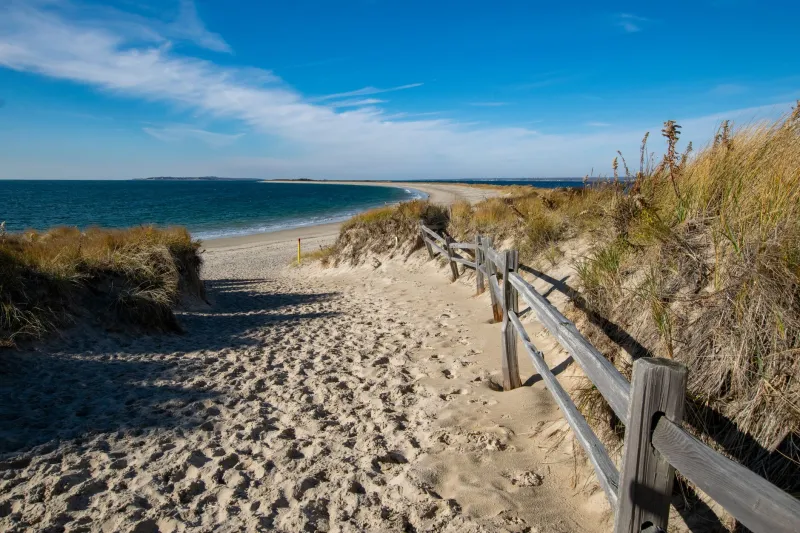
The beaches are a different kind of beautiful too. Nobody's swimming, obviously, but walking the shoreline at Race Point or Marconi Beach in February—wind off the Atlantic, maybe a seal or two hauled out on a sandbar—is one of those experiences that sticks with you. It's raw and a little humbling in the best possible way.
Birdwatchers should absolutely plan a February trip. The Cape is a major stop on the Atlantic Flyway, and winter brings species you'd never spot in summer—common eiders, long-tailed ducks, and if you're lucky, a snowy owl hunting the dunes.
Accommodations: More for Less
This is where February gets very practical, very fast. Off-season rates at Cape Cod inns, bed-and-breakfasts, and rental cottages can be dramatically lower than their summer equivalents—sometimes 40 to 60 percent less for comparable properties. The inns that charge $350 a night in July might be running $150 or less in February, often with breakfast included and a fireplace in the room.
Bed-and-breakfasts especially shine in winter. The owners aren't stretched thin managing a full house; they're genuinely glad to see you, and they tend to be an incredible resource for local knowledge. Ask them where to eat, what's worth seeing, which trail is best after a light snow. That kind of insider access is practically impossible to get when they're managing checkout for twelve rooms simultaneously.
If you prefer a rental cottage or vacation home, supply is plentiful and owners are often willing to negotiate on price for a week-long stay. A cozy cottage in Truro or Eastham with a wood-burning stove and water views? In February, that's genuinely attainable.
The Locals Are the Hidden Attraction
This might sound like an odd thing to put on a travel itinerary, but it's true: the people who stay on Cape Cod year-round are one of the best reasons to visit in winter.
Year-round Cape residents are a self-selected group—people who chose to stay when the easy money and summer energy left. They're artists, fishermen, restaurateurs, writers, tradespeople, and longtime families who've been here for generations. In summer, they're largely invisible to visitors, buried under the weight of the tourist economy. In February, they're at the bar next to you, at the next table over, behind the counter of the coffee shop you just ducked into.
Those conversations—the ones where a local tells you about a trail nobody maps, a beach access point the summer crowd never finds, or a restaurant that doesn't bother with a website—are the kind of travel experience that can't be manufactured. February is when they happen naturally.
A Few Practical Notes Before You Go
Some restaurants and shops do close entirely for a stretch in winter, so it's worth calling ahead or checking social media before making a specific spot the centerpiece of your trip. Provincetown, Chatham, and Falmouth tend to have the most consistent year-round activity, so if you want to be sure you'll have options, those are good base camps.
Dress in layers—the wind off the water can be sharp, especially on the Outer Cape. A good waterproof jacket is more useful than anything else you'll pack. And honestly? Lean into the slower pace rather than fighting it. The whole point of a February Cape Cod trip is to decompress, not to optimize.
If you've only ever seen the Cape at its busiest, you owe it to yourself to see it like this. Quieter. More honest. A little windswept. Completely worth it.