Cape Cod After Labor Day: The Secret Season Locals Have Been Keeping to Themselves
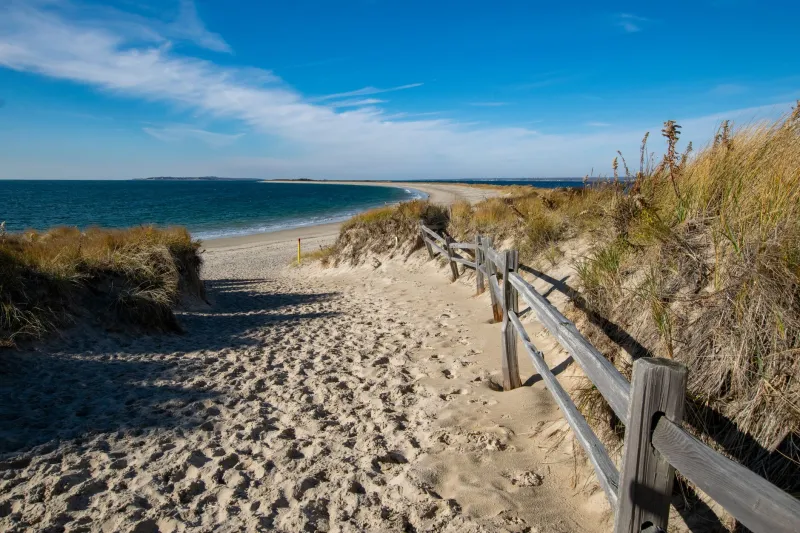
Here's something Cape Cod regulars don't exactly advertise: the moment the last summer rental car pulls off the Sagamore Bridge, the Cape quietly transforms into something special. The traffic evaporates. The parking lots empty out. Restaurant owners finally have time to chat with you. And those beaches that felt like crowded theme parks in August? They become yours — wind-swept, dramatic, and completely free of beach chairs as far as the eye can see.
If you've only ever experienced Cape Cod in peak summer, you're honestly missing the version that locals actually love.
Why September Is the Sweet Spot
Let's start with September, because it's the most underrated month on the entire Cape Cod calendar. The water is still warm — typically hovering around 65 to 68 degrees — which means swimming is absolutely still on the table. But the school year has started, which means the family crowds have thinned dramatically. You can snag a table at places like the Brewster Fish House or the Wicked Oyster in Wellfleet without a two-hour wait. You might actually get a parking spot at Nauset Beach.
And the light in September on Cape Cod is something photographers genuinely travel here for. That golden-hour glow hits the marshes and the harbor differently than it does in the harsh brightness of midsummer. If you've ever wanted a postcard-worthy Cape Cod photo without 400 strangers in the background, September is your answer.
Oceanfront cottage rentals that ran $4,000 a week in July often drop to under $1,200 in September. That's not a small difference — that's a different trip entirely.
Fall Foliage Meets Salt Air
October on Cape Cod is a revelation for anyone who assumed the fall foliage show was strictly a Vermont or New Hampshire experience. The Cape's scrub oak forests, kettle ponds, and rolling cranberry bogs put on their own stunning display, and the combination of autumn color against the backdrop of gray-blue Atlantic water is genuinely unlike anything you'll find inland.
Speaking of cranberry bogs — October is harvest season, and it's one of the Cape's most visually striking spectacles. Bogs across Harwich, Carver, and the surrounding areas flood with bright red cranberries as harvest crews move through them. Some farms offer tours or allow visitors to watch from nearby roads, and the sight of a flooded red bog under an October sky is the kind of thing that makes people book return trips.
The Cape Cod Beer Harvest Festival and various local farmers markets run deep into October, giving visitors a genuine taste of the agricultural side of the Cape that summer tourism often overshadows. This is the time when you start to understand that Cape Cod has always been a working landscape — fishing, farming, and shellfishing — and the off-season is when that identity comes back to the surface.
Winter: Dramatic, Quiet, and Surprisingly Welcoming
Okay, let's be honest about winter. It's cold. The wind off the Atlantic can be genuinely brutal in January and February, and a solid chunk of restaurants and shops close up between December and March. Anyone who tells you otherwise is overselling it.
But here's the thing — if you go in with the right mindset, a winter trip to Cape Cod can be one of the most memorable travel experiences you'll have in New England.
The storms are extraordinary. When a nor'easter rolls in and the surf at Nauset Light or Race Point reaches 20 feet, watching it from the safety of a warm inn is the kind of raw, elemental experience that no summer beach day can replicate. The Cape Cod National Seashore, which stretches across nearly 44,000 acres from Chatham to Provincetown, is hauntingly beautiful in winter — all dune grass and pewter sky and empty boardwalks.
Provincetown, which draws enormous crowds in summer, becomes a genuinely charming small town in the off-season. A handful of excellent restaurants stay open year-round, including some of the Cape's most serious kitchens. The art galleries are quieter, the innkeepers are unhurried, and the whole town feels like it exhales.
Events and Experiences That Summer Visitors Never See
One of the biggest myths about the off-season is that there's nothing to do. That couldn't be further from the truth.
- Wellfleet OysterFest (October): One of the most beloved food festivals in New England, this two-day event celebrates the town's legendary oyster harvest with shucking competitions, live music, and more bivalves than you thought possible.
- Chatham's holiday festivities: Chatham goes all-in for the holidays, with tree lightings, caroling on Main Street, and a genuinely warm small-town atmosphere that feels like a Hallmark movie without the forced sentimentality.
- Birding season: Cape Cod is a premier birding destination, and fall migration brings serious enthusiasts from across the country to spots like the Wellfleet Bay Wildlife Sanctuary.
- Whale watching into October: Many whale watch operators run trips into October, and fall sightings can actually be spectacular as whales feed heavily before migrating south.
Practical Tips for Your Off-Season Trip
Before you book, a few things worth knowing:
Call ahead. Restaurant hours shift dramatically in the off-season, and some places close for a few weeks in November or March for staff vacations. A quick phone call or website check saves a lot of frustration.
Book a place with a fireplace. Seriously. Whether it's a rental cottage or a bed-and-breakfast inn, having a real fireplace changes the entire feel of a fall or winter Cape Cod trip. It turns a cold evening into an experience.
Pack layers. Cape Cod weather in October through March can swing wildly within a single day. A morning beach walk might be 40 degrees and windy; the afternoon might warm up to 55 and sunny. Layers are your best friend.
Rent bikes in September and October. The Cape Cod Rail Trail and other bike paths are genuinely magical in the fall — cooler temperatures, less traffic, and foliage overhead. Many outfitters stay open through Columbus Day weekend.
Embrace the slower pace. The off-season Cape Cod experience isn't about cramming in activities. It's about lingering over a long lunch, walking a beach without a destination, and having a real conversation with the person behind the counter at a local bakery. That's the version of the Cape that locals actually live in — and now, so can you.