The Fishing Crowd Knows Something You Don't: Cape Cod in Winter Is a Seafood Lover's Dream
Most people hear "Cape Cod in January" and picture shuttered ice cream shops and empty beach parking lots. That picture isn't entirely wrong. But it misses what's actually happening down at the docks — and what's happening down at the docks is worth a trip from just about anywhere on the East Coast.
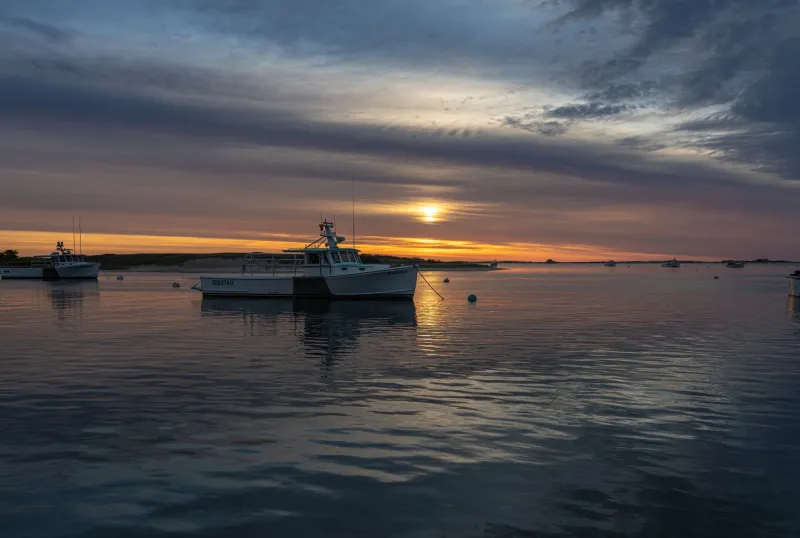
Winter is when the Cape sheds its tourist skin and gets back to work. Commercial fishing boats are heading out before sunrise. Seafood markets are stocked with catches that arrived that morning. Charter captains who spent the summer ferrying first-timers after bluefish are now running serious trips for serious anglers. The whole waterfront feels purposeful in a way that's hard to describe if you've only ever visited during the Fourth of July rush.
This is the real Cape Cod — and it's been hiding in plain sight all along.
What's Actually Biting (and When)
The winter fishing calendar on Cape Cod is more active than most people expect. Striped bass, the Cape's most iconic game fish, run well into late fall and early winter, particularly around the outer Cape and the canal. Cod — the fish that literally put Cape Cod on the map — is in better shape during colder months when the water temperatures drop to where they thrive. Tautog, also called blackfish, are a wintertime favorite among locals who know what they're doing. And offshore, if you're willing to make the run, bluefin tuna remain a possibility through much of the season.
Captain Dave Souza, who runs charter trips out of Chatham, puts it bluntly: "Summer is chaos. It's great, don't get me wrong — but winter is when you fish. The guys who come out in February, those are the ones who really want to catch fish. And they usually do."
That's not just fishing bravado. The absence of recreational boat traffic, calmer inshore conditions on certain days, and fish that are concentrated rather than scattered makes winter trips genuinely productive. You'll need to dress for it — layering is non-negotiable — but the payoff is real.
The Working Harbors Worth Visiting
Not every Cape Cod town has the same relationship with commercial fishing, and part of the fun of a winter visit is figuring out where the action actually is.
Chatham is arguably the Cape's most active working fishing port. The fish pier on Shore Road is a legitimate destination in its own right — you can watch draggers and lobster boats unloading their catches on weekday mornings, and the scene is about as authentic as it gets on the modern New England coast. Bring a coffee from one of the few shops that stay open year-round and just watch for a while.
Provincetown, out at the very tip of the Cape, has a long commercial fishing history and still maintains a small but active fleet. The harbor there is stunning in winter light, and the town — quirky and wonderful even with most restaurants closed — has a handful of spots that cater to year-rounders and off-season visitors.
Wellfleet is smaller and quieter, but its shellfishing tradition is world-class. Wellfleet oysters are harvested year-round, and visiting in winter means you might actually get a chance to talk to the people growing them rather than waiting in line behind a tour group.
Eating Seafood That's Actually Fresh
Here's the thing about summer seafood on Cape Cod that nobody really talks about: when the restaurants are slammed and the supply chain is stretched thin, "fresh" is a relative term. Fish gets moved fast, but it also sits in coolers longer than it should during peak season.
Winter changes that equation completely.
When you walk into a place like Chatham Fish & Lobster or the Wellfleet Marketplace on a cold Tuesday in December, the seafood in the case is genuinely fresh. The turnover is slower, but the sourcing is tighter. Market owners know their customers by name. They know which boats came in that morning.
"In winter, I know exactly where everything came from," says one seafood market owner in Harwich who's been in the business for over two decades. "Summer, I'm moving so much product that it gets complicated. Winter, I can tell you the name of the guy who caught your cod."
That kind of provenance is rare anywhere in the country. On Cape Cod in January, it's almost ordinary.
For a genuinely memorable meal, ask at your market about buying direct from a fisherman. It's not always possible, but in the off-season, when commercial fishermen aren't racing to fill restaurant orders, some are happy to sell directly to visitors. Bring a cooler and you'll be eating striped bass back home that you could trace to a specific boat.
Booking a Winter Charter: What to Know
Charter fishing in winter is a different experience than the summer version, and it helps to go in with the right expectations.
First, the weather will dictate everything. A good captain won't take you out in unsafe conditions, full stop. That means flexibility in your travel plans is essential — if you're flying in from out of state specifically for a charter, build buffer days into your trip.
Second, dress like you mean it. Wool base layers, waterproof outer shells, hand warmers, and good waterproof boots are not optional. The Atlantic in February is not forgiving.
Third, talk to your captain before you book. Winter charter captains tend to be a different breed — more focused on the fishing itself, less on the entertainment side of things. Be upfront about your experience level and what you're hoping to catch. They'll steer you toward realistic expectations, which is actually a good sign.
A few names worth looking into: Captain Mike Hennessey out of Barnstable runs highly-regarded winter cod trips. The fleet out of Hyannis includes several operators who offer year-round charters for both inshore and offshore fishing. Provincetown-based captains are worth calling for tuna if you're willing to make the offshore run.
The Unexpected Bonus: The Cape Itself
There's something that happens when you visit Cape Cod in winter that's hard to quantify. The light is different — lower, softer, and somehow more dramatic over the water. The towns feel like they belong to the people who actually live there. The restaurants that stay open are usually the ones worth going to in the first place, staffed by people who care about the food.
If you come for the fishing and the seafood, you'll leave with something more than a cooler full of cod. You'll leave with a version of Cape Cod that most visitors never get to see — one that's been there all along, just waiting for the summer crowd to clear out.
The fishing community figured this out a long time ago. Now you know too.