Sleep Somewhere Interesting: Unconventional Cape Cod Lodging Worth Booking
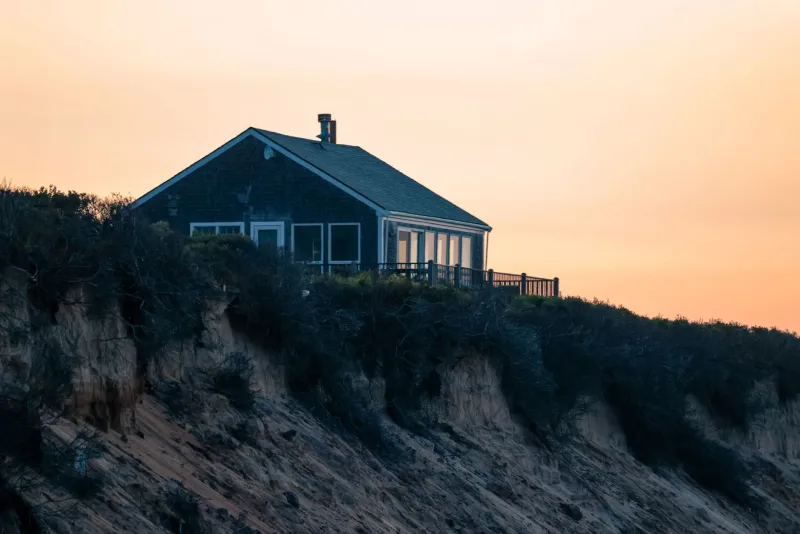
Let's be honest: where you sleep shapes the whole trip. A generic hotel room in a chain property is fine, but it doesn't exactly add to the story you tell when you get home. Cape Cod, fortunately, is loaded with lodging options that are worth talking about — places with character, history, and a real sense of place. The challenge is knowing they exist and knowing how to find them.
This isn't a list of the most expensive or the most Instagrammed spots. It's a guide to lodging that feels genuinely Cape Cod — creative, independent, a little surprising, and almost always connected to the natural and cultural landscape that makes this place worth visiting in the first place.
Why Accommodations Matter More on the Cape
Cape Cod isn't a destination where you spend most of your time indoors, but your home base still sets the tone. Staying in a converted barn on a working farm in Barnstable is a fundamentally different experience than a beachfront motel in Dennis, even if you're visiting the same beaches and eating at the same restaurants. The lodging is part of the texture of the trip.
The Cape also has a long tradition of small, owner-operated inns and cottages that reflect the personality of their owners — many of whom are artists, writers, fishermen, or longtime locals who chose the Cape for the same reasons you're visiting. Staying in one of those places is a kind of shortcut to understanding what the Cape actually is.
Yurts and Glamping: Outdoors Without Roughing It
If you've been camping-curious but not actually camping-ready, Cape Cod has options. Several campgrounds across the Cape now offer furnished yurts and glamping setups that come with beds, electricity, and enough comfort that you can enjoy the outdoor experience without sacrificing sleep.
Nickerson State Park in Brewster is one of the best-positioned spots in the region — it's a gorgeous 1,900-acre state park with ponds, trails, and direct access to the Cape Cod Rail Trail. The park offers traditional campsites, but private glamping operators near the park have begun offering yurt-style accommodations that let you use the park as your backyard.
The appeal here isn't just the novelty. Waking up in a yurt surrounded by pitch pines and hearing nothing but birds is a genuinely different experience from any hotel, and it tends to slow people down in a good way. You spend more time outside. You notice more. It's worth trying at least once.
Booking tip: These spots fill up fast, especially in summer. Look for them on Hipcamp or Glamping Hub rather than traditional booking platforms.
Boutique Inns with Real Personalities
The Cape has no shortage of bed and breakfasts, but the ones worth seeking out are the ones with a strong point of view. Look for inns that are housed in historic properties — sea captains' homes, old carriage houses, Federal-style mansions along Route 6A — where the architecture tells you something about the place before you even check in.
The Old King's Highway (Route 6A) corridor through Sandwich, Barnstable, Yarmouth Port, and Brewster is the richest stretch for this kind of lodging. The road itself is a National Historic District, lined with antique shops, art galleries, and inns that have been operating in one form or another for generations. Staying along 6A puts you in the quieter, more historically layered part of the Cape — less commercial than the mid-Cape Route 28 strip, and more rewarding if you're willing to explore.
When evaluating boutique inns, look for places where the owners are on-site. That detail matters. Owner-operated inns tend to have better breakfast, better local knowledge, and a genuine investment in your experience.
Farm Stays: A Slower Kind of Cape Cod
This one surprises people, but Cape Cod has a real agricultural heritage — cranberry farming, obviously, but also vegetable farms, flower farms, and a handful of small livestock operations. A few of these farms have begun offering guest accommodations, and they represent something genuinely different from the beach-and-seafood experience most visitors expect.
A farm stay typically means a cottage or guest suite on working agricultural land, sometimes with access to the farm's products — fresh eggs, seasonal produce, cut flowers. The pace is slower. The mornings are quieter. You're more likely to have a conversation with someone who's been working this land for thirty years than you are at a beachfront resort.
Search for farm stays on Airbnb with the "farm" filter active, or look at the Massachusetts Farm Bureau's agritourism listings for properties in the Cape and Islands region.
Artist Retreats and Creative Spaces
Provincetown is one of the oldest artist colonies in America, and the creative energy there has spilled over into the lodging scene in interesting ways. Several properties in P-town are operated by artists or arts organizations, and staying in them feels different — the decor is more considered, the conversations at breakfast are more interesting, and the whole environment encourages you to slow down and look more carefully at things.
Beyond Provincetown, Wellfleet and Truro both have a strong arts community and a handful of accommodations that reflect it. Look for artist-owned cottages and small inns where the owner's work is visible in the space — it's a good sign that you're somewhere with a real identity.
What to Look for When Booking
A few practical considerations that apply across all of these alternative lodging categories:
Read the fine print on cancellation. Small, independent properties often have stricter cancellation policies than big booking platforms because a single cancellation can significantly impact their revenue. Know what you're agreeing to.
Book direct when possible. Most boutique inns and farm stays prefer direct bookings — it saves them the platform fee and often gets you a better rate or a room upgrade. Call or email if you can.
Ask questions before you book. What's the noise level? Is breakfast included or nearby? How close is the nearest beach access? Independent operators are almost always happy to answer, and their answers will tell you a lot about whether the property is right for you.
Consider shoulder season. May, early June, and October are when these properties have more availability, better rates, and a more relaxed atmosphere. If your schedule is flexible, the off-peak experience is often the better one.
The Difference It Makes
Staying somewhere with a real story changes how you experience a place. You ask different questions. You talk to different people. You come home with something more than a tan and a collection of restaurant receipts. Cape Cod has always attracted people who are looking for something authentic — and the good news is that the accommodations to match that impulse are out there, waiting to be found.