Paddle Into the Wild: Kayaking Cape Cod's Forgotten Waterways
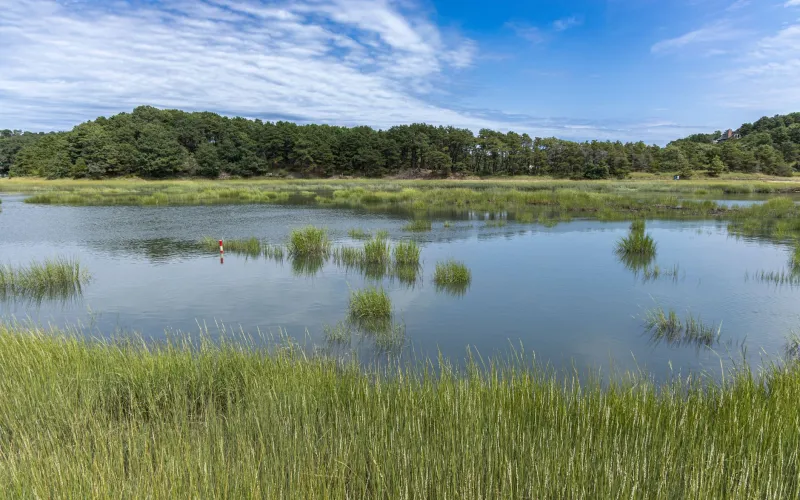
Everyone comes to Cape Cod for the ocean. The Atlantic beach, the crashing surf, the salt air — that's the postcard version of this place, and it's real and worth every bit of the hype. But there's another Cape Cod that exists just a few hundred yards inland from those famous beaches, hidden in the bends of tidal creeks and salt marsh channels, and most visitors never find it.
If you have access to a kayak or canoe — or are willing to rent one for a morning — these waterways will give you one of the most memorable experiences on the entire peninsula. Not just pretty views, though there are plenty of those. We're talking great blue herons standing motionless in the shallows. Osprey diving for fish ten feet from your bow. The smell of cordgrass and low tide and something ancient and alive. It's the Cape stripped down to its ecological bones, and it's extraordinary.
Why Inland Paddling Beats Open Water for Most Visitors
Ocean kayaking on Cape Cod is genuinely beautiful but also genuinely challenging. Tidal currents, boat traffic, wind exposure, and the physical demands of paddling in open saltwater make it a pursuit better suited to experienced paddlers. The inland waterways — tidal creeks, estuaries, kettle pond connections, and sheltered marsh channels — are a different story entirely.
These routes are protected from wind, sheltered from boat traffic, and shallow enough that the consequences of a capsize are minimal. They're also slower. The pace of paddling through a salt marsh forces you to notice things — a fiddler crab colony, a diamondback terrapin sunning on a mud bank, the way the marsh grass moves in a way that looks almost like breathing. It's meditative in a way that ocean paddling isn't, and it's accessible to beginners and families in a way that open-water paddling is not.
Nauset Marsh, Eastham and Orleans
If you only paddle one route on the Cape, make it Nauset Marsh. This massive protected estuary — part of the Cape Cod National Seashore — is one of the most ecologically rich salt marshes in New England. The maze of tidal channels winds through cordgrass meadows that stretch as far as you can see, and the wildlife density here is remarkable year-round.
Launch from Town Cove in Orleans (there's a town landing off Route 28 with parking and a small boat ramp) and paddle northeast into the marsh. The channels branch and reconnect in ways that make a map useful but not essential — you can't really get lost, and getting temporarily turned around is part of the experience. At low tide, sandbar islands appear throughout the marsh, perfect for pulling up and taking a break.
Birdwatchers will want to bring binoculars. Nauset Marsh hosts nesting terns, snowy egrets, glossy ibis, and during migration, an almost absurd variety of shorebirds working the mudflats. In late summer and fall, seals occasionally wander into the marsh from the outer beach.
Seasonal note: Spring and fall offer the best wildlife viewing. Summer is beautiful but brings more motorized boat traffic in the outer portions of the marsh.
Herring River, Wellfleet
The Herring River is one of those places that rewards the curious. The river — more of a tidal creek system, really — winds through the Wellfleet interior and empties into Wellfleet Harbor. It's currently the site of one of the largest salt marsh restoration projects on the East Coast, and paddling it means moving through a landscape that is actively changing and healing.
Launch from the public landing at the intersection of Route 6 and Chequessett Neck Road. The paddle upstream takes you through increasingly narrow channels, past stands of phragmites giving way to restored cordgrass, with the sound of red-winged blackbirds constant on both sides. It's a relatively short route — you can paddle the main channel and back in two to three hours — but it packs in a lot of ecological interest.
This is also a fantastic route for early morning paddlers. The light in the marsh at 7 a.m. is something else entirely, and the birds are most active in the first hours after dawn.
Bass Hole (Gray's Beach), Yarmouth Port
Bass Hole is one of the Cape's quiet gems — a tidal creek and marsh system on the bay side that most visitors drive past without a second glance. The boardwalk here is a well-known local spot, but the paddling is largely undiscovered.
Launch from the beach at Gray's Beach and paddle into the creek system that extends behind the marsh. At high tide, the creek is navigable for a mile or more, winding through a landscape that feels remote despite being minutes from the center of Yarmouth Port. At low tide, the mudflats become the attraction — impossibly productive feeding grounds for shorebirds and wading species.
This is an excellent choice for beginners and families with kids. The water is shallow, the currents are gentle, and the turnaround points are obvious. Bring snacks and plan to spend more time than you think you will.
Scorton Creek, Sandwich
On the western end of the Cape, Scorton Creek in Sandwich offers a paddling experience that feels genuinely wild. The creek drains a large marsh system into Cape Cod Bay and is navigable by kayak for several miles upstream. The surrounding land is largely conservation property, which means you can paddle for an hour without seeing a house or hearing road noise.
Launch from the Route 6A crossing (there's a small pull-off on the east side of the bridge) and paddle north toward the bay or south into the marsh interior. The upstream route is shallower and more intimate; the downstream route toward the bay opens up into broader water with bigger views.
Osprey nest along this creek every summer, and if you time your paddle for mid-morning on a calm day, you have an excellent chance of watching one hunt.
Practical Notes for Planning Your Paddle
Rentals: Several outfitters across the Cape rent kayaks and canoes by the hour or day. Eastern Mountain Sports in Hyannis and a handful of local outfitters near Wellfleet and Orleans can set you up with gear and basic instruction if you need it.
Tides: Always check the tide before you go. Paddling into a marsh on an incoming tide is very different from paddling in on an outgoing one — you want the tide working with you on the way back. NOAA's tide prediction tool is free and reliable.
Footwear: Wear shoes you don't mind getting wet. Getting in and out of a kayak on a muddy bank is part of the deal.
Wildlife etiquette: Keep your distance from nesting birds, especially terns, which will aggressively defend their colonies. Give seals a wide berth. The experience is better when the wildlife ignores you.
Best months: May through October, with June and September being the sweet spots for weather, wildlife activity, and crowd levels.
A Different Kind of Cape Cod
The marshes and waterways of Cape Cod are not a consolation prize for days when the ocean beach is too crowded. They are a destination in their own right — older, stranger, and in many ways more ecologically significant than the famous shoreline. Paddling through them is one of those experiences that changes how you see the place, the kind of thing you come back for. Once you've drifted through a salt marsh at dawn with a great blue heron standing twenty feet off your bow, the Cape starts to feel a lot bigger than it did before.