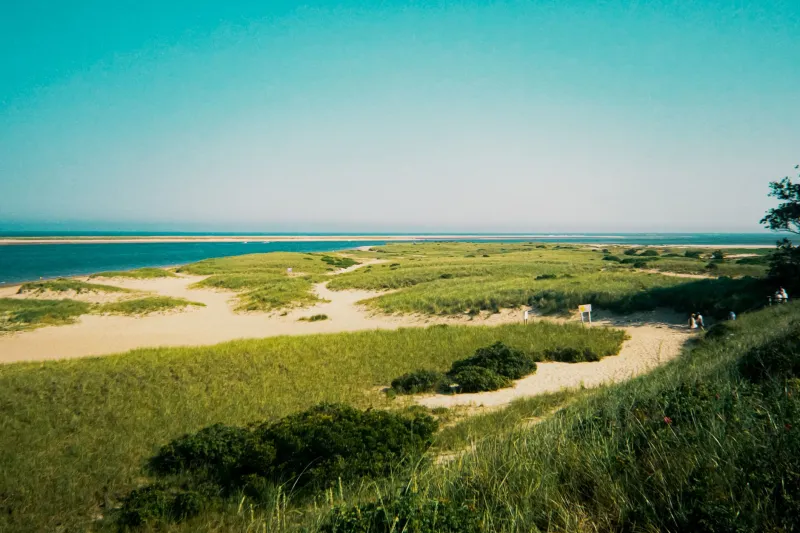
Chasing the Light: A Road Tripper's Guide to Cape Cod's Most Storied Lighthouses
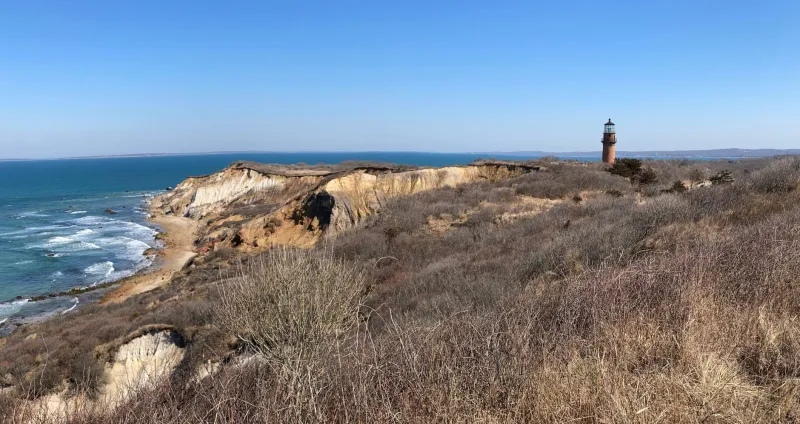
There's a reason lighthouses have been painted, photographed, and written about for centuries. They sit at the edge of things — land meeting sea, safety meeting danger, the known world bumping up against the wild unknown. Cape Cod has more of them per square mile than almost anywhere else in the country, and each one tells a different chapter of the same long, salty story.
If you've been to the Cape before and stuck to the usual routine — beach chair, fried clams, maybe a round of mini golf — this is your invitation to try something different. A lighthouse road trip along the Cape is one of those experiences that sounds almost too simple until you're standing at the base of a 100-foot tower watching the sun drop into the bay, and you realize you've stumbled into something genuinely special.
Here's how to do it right.
Start at the Elbow: Chatham Light
Chatham is a good place to begin both geographically and emotionally. The town itself is quintessential Cape Cod — shingled storefronts, fishing boats in the harbor, the kind of main street that makes you slow down without even trying. Chatham Light sits dramatically above a beach that has been reshaped repeatedly by storms and shifting sandbars, which makes it a fitting symbol for the Cape's ever-changing relationship with the Atlantic.
The current lighthouse dates to 1877, though a beacon has stood here since 1808. On a clear morning, the view from the overlook stretches across the Chatham Bar and out toward the open ocean. This is also a prime seal-watching spot — the sandbar below hosts a sizeable colony, and you can often see them from the bluff without any equipment.
Photography tip: Come at golden hour for the warm light bouncing off the white tower. The contrast against the blue Atlantic is the kind of shot that doesn't need any filters.
Head North to Nauset Light
From Chatham, head up Route 28 and cut over toward the National Seashore. Nauset Light in Eastham is arguably the most recognizable lighthouse on the Cape — its red-and-white banded tower has graced enough postcards and potato chip bags to become a regional icon. (Yes, those chips. Cape Cod Potato Chips used the lighthouse as their logo for years.)
What makes Nauset particularly worth your time is the surrounding landscape. It sits within the Cape Cod National Seashore, so the land around it looks much as it did a century ago — rolling heath, windswept bluffs, and a beach below that stretches for miles in either direction. The Three Sisters Lighthouses, a trio of small brick towers that once warned ships away from the Nauset cliffs, sit in a small grove nearby and are absolutely worth the short walk.
Best time to visit: Weekday mornings in late September or early October. The summer crowds are gone, the light is extraordinary, and you'll likely have the bluff nearly to yourself.
The Outer Cape: Highland Light
Keep heading north into Truro and you'll find Highland Light, the Cape's oldest and tallest lighthouse. Standing 66 feet tall and perched on a 120-foot clay bluff, it throws its beam farther than any other light on the Cape. Henry David Thoreau walked this stretch of the Outer Cape and wrote about it in his book Cape Cod — and while the landscape has changed some since the 1850s, Highland still carries that sense of being at the edge of the continent.
The Highland House Museum sits right next door, and it's worth an hour of your time if you want context for everything you're seeing. The exhibits cover the Cape's maritime history, the life of lighthouse keepers, and the geology of the Outer Cape's dramatic erosion.
A note on erosion: Highland Light was actually relocated 450 feet inland in 1996 because the bluff it sat on was disappearing into the sea at an alarming rate. That fact alone says something powerful about the forces at work out here.
Race Point Light: The One That Earns It
At the very tip of the Cape, tucked inside the Province Lands of the National Seashore, Race Point Light is the reward for people willing to work a little harder. You can't drive to it — it's a 1.5-mile walk across sand and scrub from the Race Point Beach parking area, or you can arrange a beach vehicle permit and drive the sand road if you have a capable vehicle.
The effort is worth it. Race Point sits in one of the most remote-feeling spots on the entire Cape, surrounded by rolling dunes that block out the rest of the world. The lighthouse itself is a classic white cast-iron tower from 1876, and the keeper's quarters have been converted into overnight accommodations managed by the American Lighthouse Foundation. Staying the night is a bucket-list experience — you wake up to nothing but ocean, sand, and the sound of wind.
Photography tip: The dune landscape around Race Point is spectacular at sunrise. Plan to arrive before dawn if you can manage it.
Loop Back: Wood End and Long Point
Stay in Provincetown and you've got two more lighthouses within reach. Wood End Light and Long Point Light both sit on the far western hook of the Cape, accessible by a long beach walk from Provincetown's West End. Together they form a pair of beacons that guided fishing vessels and packet boats into Provincetown Harbor for generations.
The walk out to Long Point takes about an hour each way and crosses a narrow spit of land with water on both sides. It's one of the more meditative walks on the Cape — quiet, flat, and humbling in the way that big open landscapes tend to be.
Practical Notes for the Trip
A few things worth knowing before you go:
- Distance: Driving the full route from Chatham to Provincetown covers roughly 50 miles. With stops, plan for a full day or split it over two.
- Lighthouse hours: Many lighthouses open their towers for climbing on weekends during summer and fall. Check the American Lighthouse Foundation and Cape Cod National Seashore websites for current schedules.
- Parking: Nauset and Race Point require a National Seashore fee or America the Beautiful pass during peak season. It's worth getting the annual pass if you're spending more than a day or two in the area.
- Fall is the sweet spot: September and October offer the best combination of comfortable weather, manageable crowds, and dramatic light. The Cape's landscape takes on a different character once the summer visitors clear out, and the lighthouses feel more like themselves — solitary, purposeful, a little wild.
More Than Just a Drive
What makes the lighthouse trail work as a travel experience is that it reframes how you see the Cape. Instead of a string of beach towns, it becomes a coastline with a story — one about the sailors who needed these lights, the keepers who tended them through storms and isolation, and the communities that grew up around the harbors they protected.
You don't need to be a history buff to feel that. You just need to show up, look out at the water, and let the landscape do its thing.