Red Gold: Getting Up Close with Cape Cod's Cranberry Farming Tradition
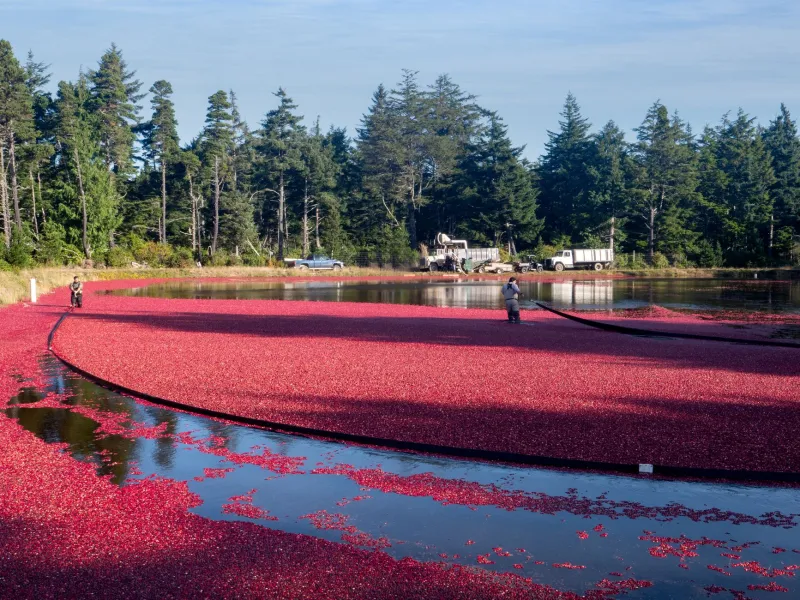
Most visitors to Cape Cod come for the obvious stuff — the beaches, the lobster rolls, the weathered shingle cottages that look like they belong on a postcard. Fair enough. But if you've ever driven through Harwich or Carver on a crisp October morning and caught a glimpse of a flooded bog blazing red from the road, you already know there's something else happening out here. Something older, quieter, and honestly pretty spectacular.
Cranberry farming has shaped this region for nearly two centuries, and today Cape Cod and the surrounding Plymouth County area produce a significant share of Massachusetts' annual cranberry crop — one of the largest in the entire country. The good news for curious travelers? A lot of those farms welcome visitors, especially during harvest season. You just have to know where to look.
A Little History Goes a Long Way
Native Wampanoag people used cranberries long before European settlers arrived — as food, dye, and medicine. But commercial cultivation took off in the early 1800s when a Revolutionary War veteran named Henry Hall noticed that cranberry vines growing near his Cape Cod home thrived when sand blew over them from nearby dunes. He started deliberately sanding his vines, and just like that, an industry was born.
By the late 1800s, cranberry farming had spread across the Cape and into Plymouth County, with families building elaborate systems of bogs, dikes, and water-control structures that still exist today. Many of the working farms you can visit now have been in the same family for four, five, even six generations. That kind of continuity is rare anywhere in American agriculture, and it gives Cape Cod's cranberry culture a depth that's worth slowing down to appreciate.
What Actually Happens During Harvest
If you've seen the iconic images of farmers in waders standing knee-deep in a sea of bright red berries — that's real, and it happens right here every fall, typically from late September through early November.
The process is called wet harvesting. Growers flood the bogs with water, then use mechanical water reels (nicknamed "egg beaters" by locals) to agitate the vines and knock the buoyant berries loose. The cranberries float to the surface, forming those dense, photogenic red carpets you've probably seen in magazines. Workers then use long booms to corral the berries toward a conveyor, where they're loaded into trucks and hauled to processing facilities.
It moves fast, it's loud, and it's genuinely mesmerizing to watch. Arrive early on a clear morning and the light hitting a flooded bog can be downright otherworldly.
Where to See the Bogs in Action
Several farms in the region actively invite visitors during the harvest window, so this isn't a matter of sneaking up to a fence and peering through the slats.
Flax Pond Cranberry Farm in Carver (just over the county line from the Cape, but absolutely worth the short drive) is one of the most visitor-friendly operations around. They offer harvest tours that put you right at the edge of the action, and the staff are genuinely enthusiastic about explaining the process. It's a great pick if you're traveling with kids.
Closer to the Cape itself, the Harwich area has a dense concentration of working bogs, and the town has historically celebrated its cranberry heritage with an annual Cranberry Festival each September — a low-key, locals-first event featuring farm tours, cooking demos, and plenty of opportunities to stock up on fresh berries before the tourist crowds thin out.
The Cape Cod Cranberry Growers' Association maintains updated information on farms that welcome agritourism visits, and it's worth checking their resources before you go so you can time your visit to active harvest days.
Farm Stands and Specialty Shops Worth Seeking Out
Harvest season or not, the Cape has a solid network of farm stands and specialty retailers where cranberry products take center stage — and we're not just talking about a bag of dried berries from a grocery store shelf.
Bragg Farm in Sandwich is a perennial favorite, known for selling fresh cranberries by the pound during the fall season alongside homemade cranberry jams, sauces, and relishes that locals swear by for Thanksgiving. Get there early on weekends — the good stuff goes fast.
In Dennis, Mayflower Cranberries offers a charming farm stand experience that doubles as an informal education in how cranberry cultivation actually works. The owners are usually around and happy to chat, which is half the fun.
For something a little more curated, head to Chatham or Falmouth and browse the specialty food shops that stock locally made cranberry products year-round — everything from cranberry mustard and hot sauce to cranberry-infused olive oil and artisan preserves. These make excellent gifts that you genuinely can't find anywhere else.
Eating and Drinking Cranberries Like a Local
Fresh cranberries are tart, firm, and nothing like the canned stuff most Americans grew up with. If you've never eaten a raw cranberry straight off the vine, a farm visit is the perfect opportunity — just brace yourself, because they pack a punch.
For a more refined experience, a growing number of Cape Cod restaurants incorporate local cranberries into their menus in creative ways. Look for cranberry gastrique paired with duck or pork, cranberry-glazed salmon, and fresh cranberry cocktails that show up on bar menus as soon as October rolls around. A cranberry sour or a cranberry mule made with local berries is a completely different drink than anything you'd mix with juice from a carton.
Several Cape breweries and cideries have also gotten into the act, releasing seasonal cranberry ales and hard ciders that are worth tracking down. Ask locally — these small-batch releases tend to sell out quickly and aren't always widely advertised.
Tips for Planning Your Bog Visit
A few practical things to keep in mind before you head out:
- Timing is everything. Peak wet harvest runs from late September through October, with some farms going into early November depending on the season. Call ahead or check farm websites before you go — harvest days can shift based on weather and crop readiness.
- Dress for it. Bog areas are muddy, and mornings can be genuinely cold once fall sets in. Wear layers and shoes you don't mind getting dirty.
- Bring cash. Many farm stands are cash-only or have limited card processing, and you'll almost certainly want to buy something.
- Go on a weekday if you can. Weekend harvest tours fill up quickly, especially on sunny October days when everyone has the same idea.
More Than Just a Photo Op
It's easy to treat the cranberry bogs as a scenic backdrop — snap a few pictures of the red water, post them, move on. But the more time you spend talking to the people who actually farm this land, the more you realize how much is tied up in those bogs: family legacies, ecological stewardship, the particular stubbornness it takes to keep a small farm viable in the modern economy.
Cape Cod's cranberry heritage isn't a museum exhibit. It's alive and working, and it's one of the most authentic agricultural experiences you can have in New England. That alone makes it worth building into your itinerary — not just as a detour, but as a genuine destination.